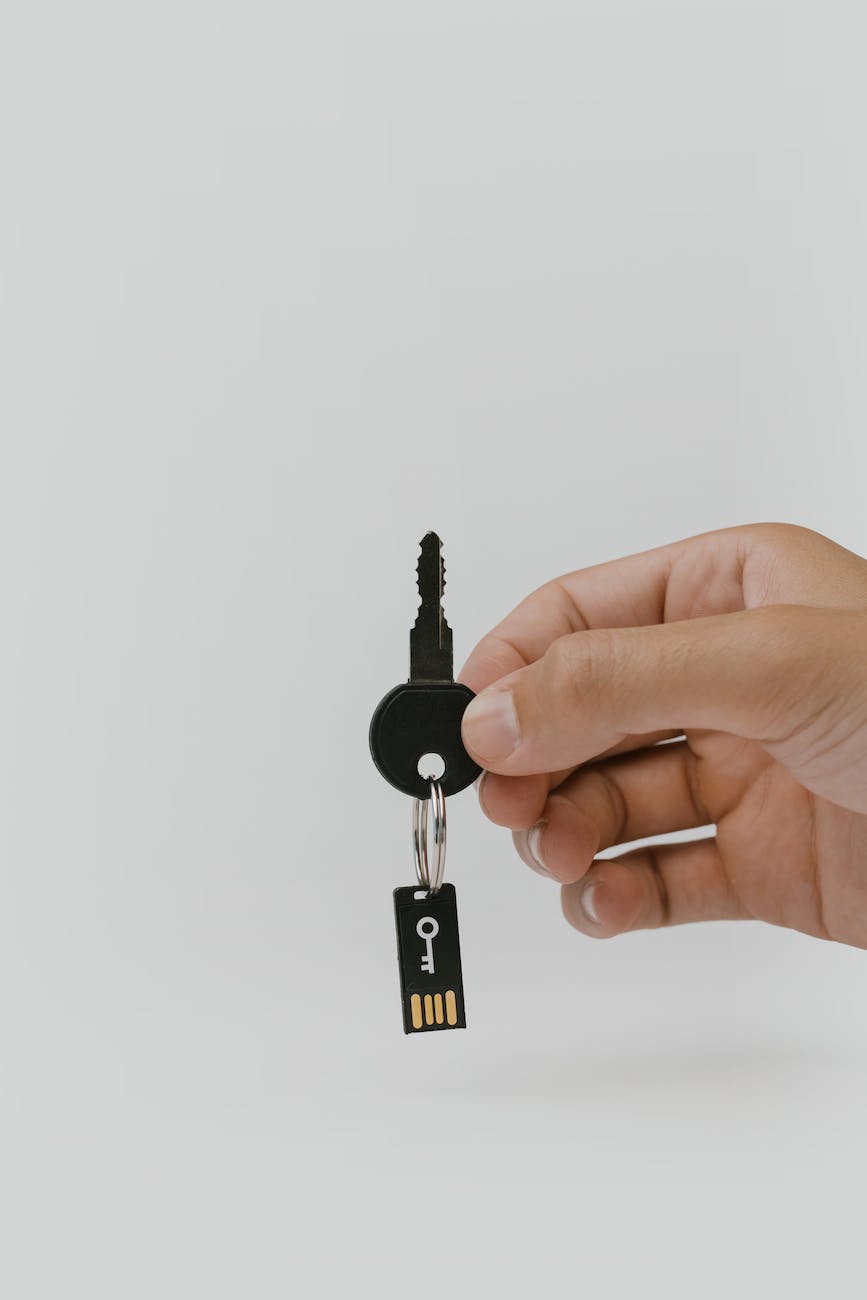
Businesses have a lot of information to keep safe. Not only do you have the files for your own products and projects, but also all the sensitive information you collect from your customers: names, billing information, addresses, and so on. If a hacker accesses this information, the consequences can be massive. That’s why it’s vital to secure your files and protect your business from hackers.
Use a strong password and dual-factor authentication
A strong password is the first line of defense against hackers. Make sure to use a combination of letters, numbers, and special characters in your password. The longer, the better!
Here are some tips for creating a strong password:
- Use a passphrase instead of a word. A passphrase is a sentence or series of words that you can easily remember but would be difficult for someone else to guess. For example, “I love blueberry pie” could be used as a passphrase.
- Mix up your character types. For example, instead of using only lowercase letters, mix in some uppercase letters, numbers, and symbols as well.
- Use different passwords for different accounts. Then, if one account gets hacked, the hacker will not have access to your other accounts.
- Update your passwords regularly.
To double up on security, use a dual-factor authentication app like Duo Mobile. When you or someone else tries to log into one of your accounts, a temporary code generated by the app is required to gain access. If you get a login request that you didn’t make, you’ll know it’s time to change your passwords.
Secure your data
Hackers are always looking for new ways to gain access to people’s data. One of the most common methods they use is phishing. Phishing involves hackers sending emails or text messages that look like they’re from a legitimate company or website. The message will typically ask you to click on a link or provide personal information, such as your Social Security number or credit card number. If you click on the link or provide the requested information, the hacker then has access to your accounts or can commit identity theft.
To protect yourself from phishing scams, never click on links in emails or text messages unless you’re absolutely sure they’re from a trusted source. If you’re unsure, go to the website directly by typing the URL into your browser instead of clicking on the link. You can also copy and paste suspicious URLs into free resources like Virus Total to check if they’re dangerous without risking any of your data.
For another layer of security against malware and ransomware attacks, use a trustworthy virtual private network. A VPN, like those provided by ClearVPN (https://clearvpn.com/blog/what-is-ransomware/), can encrypt your web traffic and make it more difficult for hackers to deliver malicious code.
Keep your software up to date
One of the most important things you can do to protect your files against hacking is to keep your software up to date. Hackers are constantly finding new ways to exploit vulnerabilities in software, so it’s important to have the latest security updates installed. Most software programs have an automatic update feature that will install security patches as they become available. Make sure this feature is turned on, and check for updates regularly.
In addition, to keep your software up to date, you should also run regular malware scans. Many free malware scanners are available online, so there’s no excuse for not running regular scans.
Bottom line: by following these tips, you can help to secure your product against internet hacking. Keep your password strong, your data safe, and your software up to date, and you can rest assured that your product is well protected.


 The AJSWITZY Project